

LXD Logistics offers full-service office relocation services including:
- Efficient Office Moves
- Office Cubicle Installation Services
- Corporate Office Relocations
- Fixed Cost Pricing
- Fast Quotes (usually within hours)
- Disassembly and reassembly of office furniture and equipment
- Forklift Services (when needed)
- Rack moving, building, disposal
- Office furniture reconfiguration
- Office furniture installation and office furniture assembly
- Packing and unpacking of office contents
- Moving of specialty and heavy equipment
- Vehicle fleet moving
- Storage services for office equipment and furniture
- White glove delivery
- Partnerships with the best interior designers
- Assembly and Installation services

How to Relocate Business Offices.
Relocating your office can be a daunting task, but with the right plan and a dependable moving company, it can be a smooth transition. Whether you’re relocating locally or across the country, it’s essential to find a reliable office furniture moving company to ensure everything goes as planned moving office furniture.

Planning Your Office Move
The first step in moving your commercial office furniture is planning. A well-thought-out plan will save you time, money, and stress. Here’s what you need to do:
Create a Timeline for your office furniture installation
Set a timeline for your move with your office furniture installers. Determine when you want to move and work backward to create a detailed schedule. This schedule should include key milestones such as notifying employees, packing, and setting up the new office.

Special Considerations for Cubicles
Cubicles are part of most office environments. Unlike most office furniture, they require special tools and knowledge to disassemble and reassemble correctly. LXD Logistics offers full-service cubicle moves, cubicle installations, cubicle assembly and cubicle disposal services.
Notify Stakeholders
Inform your employees, clients, and suppliers about the move well in advance. Clear communication ensures that everyone is on the same page and can plan accordingly. Update your address on all business materials and online platforms. Make sure that you allow enough time for systems to be updated. Some online services like Google Maps and Bing Place require verification of new address before they’ll update their listings. In some cases, these can take weeks.

Assign a Moving Team
Form a moving team to coordinate the move. This team should include representatives from different departments to ensure all areas of the business are covered. If you have any specialized equipment that needs to be moved, it might make sense to assign that to someone who regularly uses that equipment to ensure that it is transported correctly.
Inventory and Declutter
Take inventory of your office equipment and furniture. Decide what to keep, sell, donate, or discard. This is a great opportunity to declutter and get rid of items you no longer need. 
Choosing the Right Office Moving Company
Selecting a dependable office moving company is crucial for a successful move. In order to figure out how much does it cost to move office furniture, you’ll need to find the best office furniture moving companies near me and the best officer furniture installers near me. Here are some tips to help you choose the right one:
Research and Reviews
Start by researching office moving companies in your area. Look for companies with positive reviews and high ratings for commercial moving services. Check to see if they’ve worked with reputable office furniture companies like Hon Furniture.
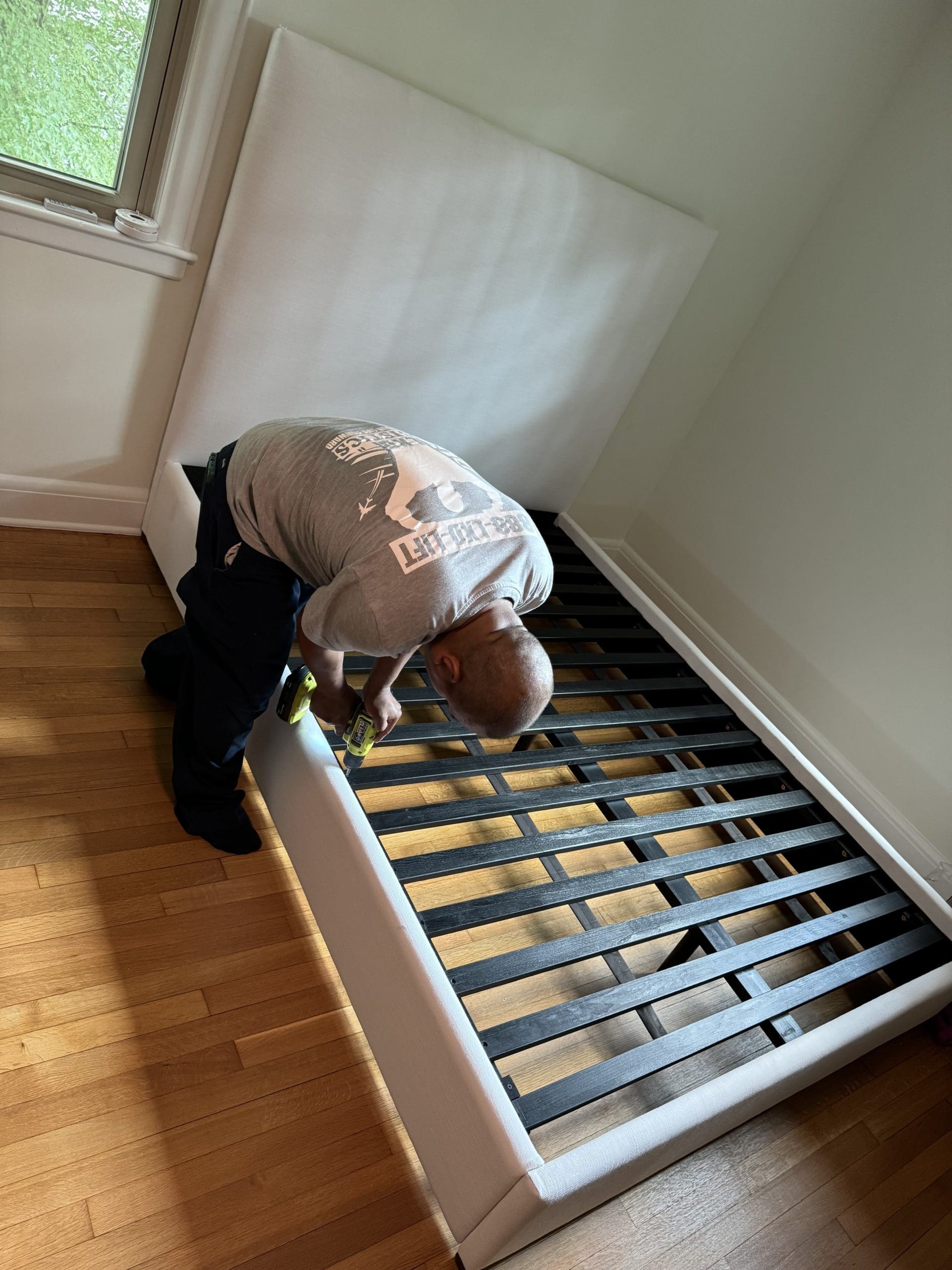

To procure your business office furniture, partner with a white glove receiving company who assembles your business furniture off-site and addresses any defects before delivery. For office relocation services, make sure you understand the full process used by commercial moving companies to ensure that project management will be available to ensure a cost effective moving process.
Check for Licensing and Insurance
Ensure the commercial movers are licensed and insured. This protects your business in case of any damage or loss during the move. Ask for proof of insurance and check their licensing status with the Department of Transportation (DOT) or local regulatory body.
Experience with Office Moves
Choose a moving company with experience in commercial relocations for office space like yours. They will be familiar with the challenges of moving office equipment and can handle the process more efficiently.

Medical Practice Moving Considerations
Moving medical equipment requires extra care and attention. Many medical office moves require storage during the period of transition. It’s best to find a reliable moving and storage company rather than working with different vendors


Preparing for Moving Day
As moving day approaches, it’s essential to prepare adequately to ensure a smooth transition. Here are some tips:
Label Everything
Clearly label all boxes and items with their contents and destination. This makes unpacking and setting up your new office much easier.
Pack Important Documents Separately
Keep important documents, such as contracts, employee records, and financial documents, separate and easily accessible during the move.
Backup Your Data

Ensure all digital data is backed up before the move. This protects your business from data loss in case of any issues during the relocation.
Coordinate with the Moving Company
Confirm all details with the moving company, including the schedule, services, and any special requirements. Ensure they have clear instructions for accessing both your current and new office locations.
Setting Up Your New Office
Once you’ve moved to your new office, it’s time to set up and get back to business. Here are some steps to follow:
Arrange Furniture and Equipment
Set up office furniture and equipment according to your floor plan. Ensure all items are placed correctly and securely.
Set Up IT and Communications
Get your IT and communication systems up and running as soon as possible. This includes computers, phones, internet, and any other essential equipment.
Update Your Address
Update your business address on all materials, including business cards, letterheads, websites, and online directories.
Inform Stakeholders
Notify clients, suppliers, and other stakeholders about your new address and any changes in contact information.
